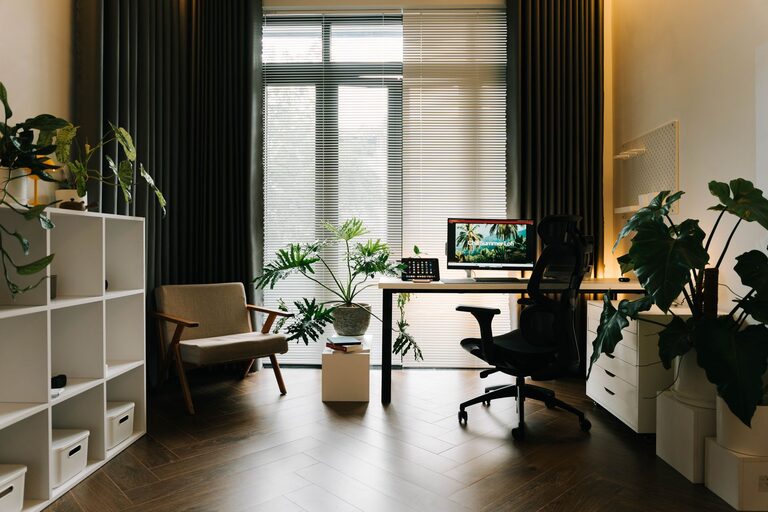
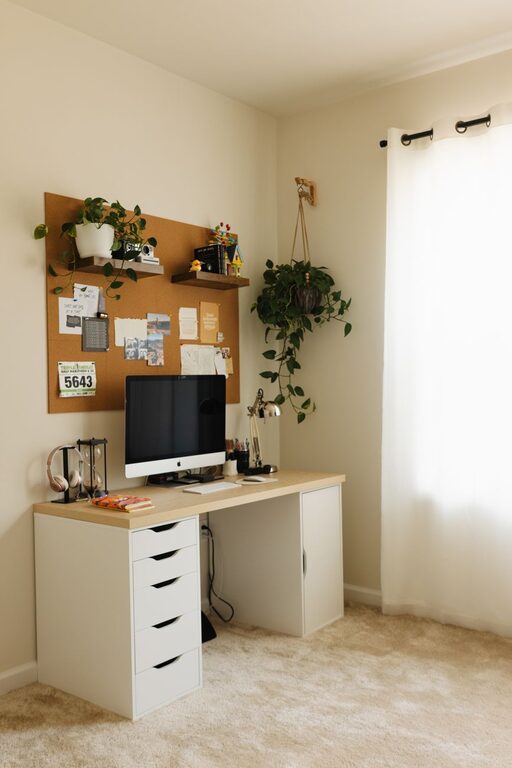
Creating a relaxing home workspace is essential for maintaining productivity and well-being, especially as more people embrace remote work. A thoughtfully designed area can reduce stress, improve concentration, and make your workday more enjoyable. Whether you have a dedicated room or just a corner in your living space, here are practical tips to transform your workspace into a calm and productive environment.
Choose the Right Location
Find a Quiet Spot
Selecting a quiet area helps minimize distractions, allowing you to focus better. If possible, pick a space away from household noise, like the kitchen or TV room, to create a peaceful atmosphere.
Maximize Natural Light
Natural light boosts mood and energy levels. Position your desk near a window to enjoy daylight while working. If natural light is limited, opt for bright, adjustable lamps to reduce eye strain.
Invest in Comfort
Ergonomic Furniture
Comfortable furniture supports good posture and prevents fatigue. Use an adjustable chair with lumbar support and a desk at the right height. Adding a footrest or ergonomic accessories can further enhance comfort.
Soft Textures and Colors
Incorporate soft textures such as cushions, rugs, or curtains to make the space inviting. Soothing colors like light blue, green, or neutral tones promote calmness and reduce stress.
Organize and Declutter
Keep Your Desk Tidy
A cluttered workspace can be distracting and stressful. Use organizers, trays, or shelves to store supplies neatly. Regularly clean your desk to maintain an orderly environment.
Limit Personal Items
While it’s nice to personalize your space, too many decorations can overwhelm. Choose a few meaningful items like photos or plants to create a balance between personal comfort and professionalism.
Incorporate Nature
Add Plants
Plants improve air quality and bring a sense of tranquility. Low-maintenance options like succulents, spider plants, or pothos thrive indoors and add a touch of greenery.
Use Natural Elements
Consider materials like wood or stone in your decor. These elements connect you to nature and create a warm, relaxing ambiance.
Manage Technology Mindfully
Control Cable Clutter
Tangled cables can make your desk look messy and create frustration. Use cable organizers, clips, or sleeves to keep wires out of sight and organized.
Set Up Efficient Tools
Choose technology that supports your workflow without causing distractions. Noise-canceling headphones, a quality keyboard, or dual monitors can enhance comfort and efficiency.
Create a Calming Routine
Schedule Breaks
Taking short breaks helps prevent burnout and keeps your mind fresh. Use a timer or app to remind yourself to stand up, stretch, or take a few deep breaths.
Utilize Relaxation Techniques
Incorporate practices like mindfulness, meditation, or gentle stretching into your routine. These habits reduce stress and help you return to work with renewed focus.
Personalize with Inspiration
Display Motivational Quotes
Place inspiring quotes or artwork in your workspace to encourage positivity and motivation throughout the day.
Play Soothing Music
Background music or ambient sounds like rain or ocean waves can create a calming environment. Choose playlists that help you concentrate without being distracting.
Maintain Good Air Quality
Ventilate the Space
Fresh air keeps your workspace invigorating. Open windows regularly or use air purifiers to maintain air quality.
Control Temperature and Humidity
Keep your workspace at a comfortable temperature and humidity level to avoid discomfort and maintain concentration.
Conclusion
Designing a relaxing home workspace is a blend of comfort, organization, and personal touches. By applying these tips, you can create an environment that not only boosts your productivity but also supports your mental and physical well-being. Remember, your workspace should reflect your needs and preferences, so feel free to experiment and adjust until you find what works best for you.