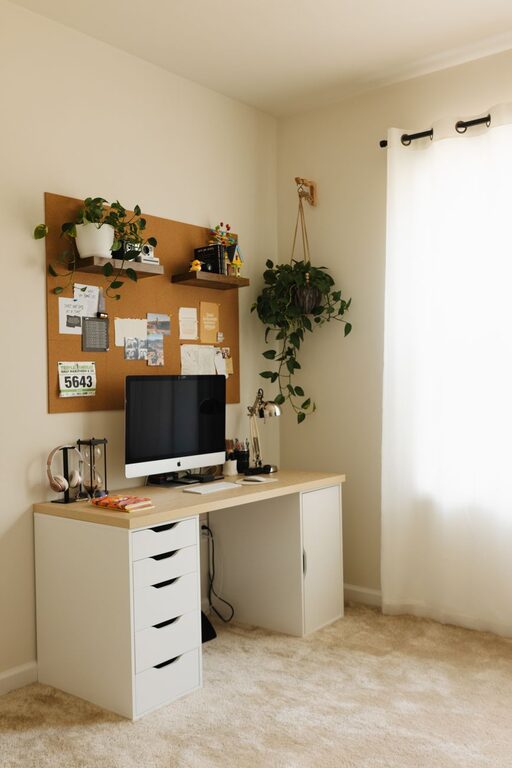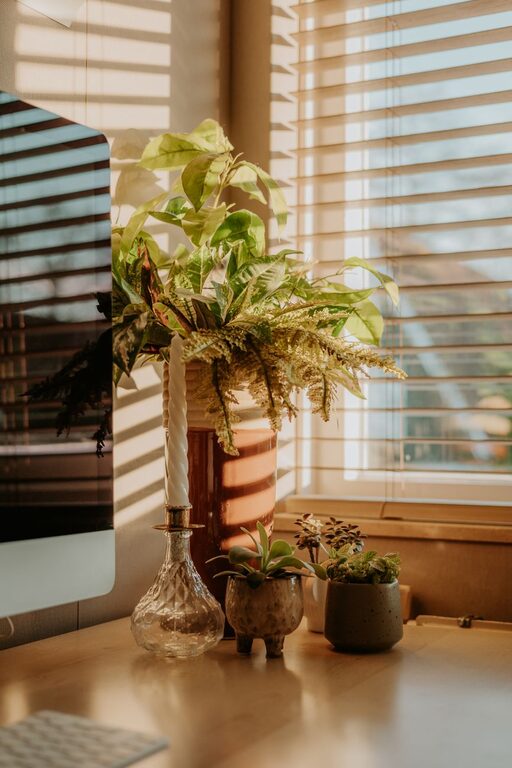
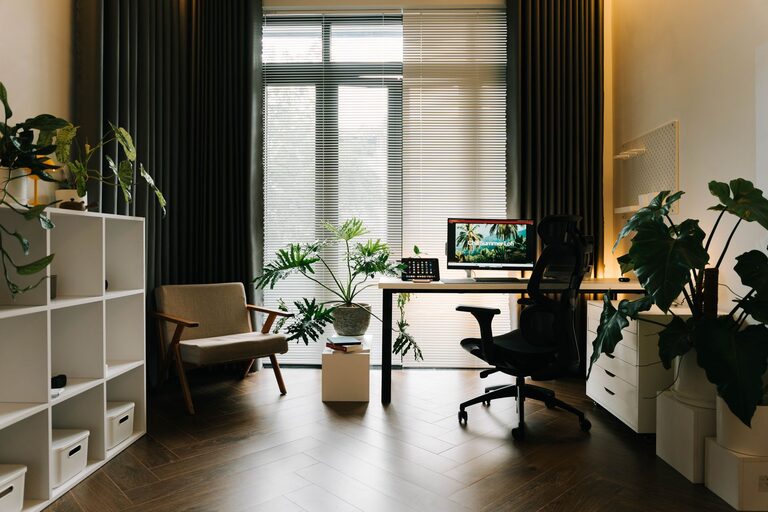
Creating a workspace at home that feels cozy yet productive can significantly improve your workday experience. Whether you’re working remotely full-time or occasionally need a quiet spot to focus, having a well-designed home office boosts creativity, focus, and comfort. Here are practical tips to help you design a home office that feels inviting and supports your productivity.
1. Choose the Right Location
The first step to a great home office is picking the best spot. Consider:
– Natural light: A room or corner near a window provides natural light, which can improve mood and reduce eye strain.
– Quietness: Select a space away from household noise and distractions to maintain focus.
– Space and layout: Make sure there’s enough room for your desk, chair, and storage, while still allowing you to move comfortably.
If space is limited, consider multi-purpose areas and use room dividers, curtains, or bookshelves to create separation.
2. Invest in Comfortable Furniture
Comfort plays a huge role in productivity. Look for:
– Ergonomic chair: Choose one with adjustable height, lumbar support, and comfortable cushioning to reduce back strain.
– Desk height: Ensure your desk is at a comfortable height. Consider a sit-stand desk to change posture throughout the day.
– Proper monitor positioning: Your computer screen should be at eye level and about an arm’s length away to prevent neck and eye fatigue.
Taking breaks and stretching regularly also helps maintain comfort during long work sessions.
3. Optimize Lighting
Good lighting reduces eye strain and sets the right mood.
– Layered lighting: Combine natural daylight, overhead lighting, and task lamps for flexibility based on time of day and tasks.
– Adjustable desk lamp: This helps illuminate documents or keyboard areas without glare.
– Warm light tones: Choose bulbs with a warm or neutral color temperature (2700K-4000K) for a cozy ambiance.
Avoid harsh fluorescent lights or heavy shadows that can cause discomfort.
4. Organize for Efficiency
A clutter-free environment supports concentration. Try these organization tips:
– Use drawers and shelves: Store supplies and papers out of sight to keep your desk tidy.
– Desk organizers: Use trays, pen holders, or cable management tools for small items.
– Digital organization: Keep files and emails organized on your computer to reduce digital clutter.
Label drawers and containers to quickly find what you need without interrupting workflow.
5. Personalize Your Space
Adding personal touches can make your office feel welcoming and inspiring.
– Decor: Include artwork, photos, or plants that bring joy and calm.
– Color schemes: Choose calming colors like blues, greens, or neutrals for walls and accessories.
– Comfort items: Add a cozy throw blanket, cushions, or a small rug for warmth.
Personalizing your space helps create a positive atmosphere and reduces stress.
6. Manage Technology and Cables
Technology powers your work but can also create mess.
– Cable management: Use clips, sleeves, or boxes to keep cords tidy and prevent tangling.
– Reliable equipment: Invest in good-quality headphones, keyboard, mouse, and high-speed internet to reduce frustrations.
– Charging stations: Designate a spot to charge devices so your desk stays organized.
Keeping technology streamlined helps maintain focus and keeps your workspace neat.
7. Incorporate Break and Movement Areas
Encourage healthy work habits by integrating spaces for movement.
– Stretching nook: Leave room for simple stretches or quick exercises during breaks.
– Comfortable seating: A small armchair or cushion can offer a change of posture during reading or brainstorming.
– Plants and greenery: Indoor plants can create relaxing micro-breaks and improve air quality.
Taking breaks away from your desk enhances productivity and reduces fatigue.
8. Set Boundaries and Routine
Your office should signal “work mode” to help separate professional and personal life.
– Defined workspace: Even in open areas, define your office with rugs or partitions.
– Work hours: Establish consistent start and end times to maintain work-life balance.
– Minimize distractions: Use headphones, close doors, or set “do not disturb” signals during focused work.
Clear boundaries help you stay productive and fully enjoy your time off.
—
Designing a cozy and productive home office doesn’t have to be complicated. With thoughtful choices around location, comfort, lighting, and organization, you can create a space that feels welcoming and helps you do your best work every day. Start small and adjust your setup as you go—your ideal home office is within reach!