Creating a relaxing home office environment is essential for maintaining focus, reducing stress, and making working from home a positive experience. Whether you’re new to remote work or looking to refresh your current setup, a few thoughtful changes can transform your space into a peaceful and productive haven. This guide offers practical tips to help you design a home office that supports both your mental well-being and work efficiency.
Why a Relaxing Home Office Matters
Your home office is more than just a place to complete tasks—it’s where you spend a significant part of your day. A cluttered, noisy, or uncomfortable space can increase stress and decrease productivity. Conversely, a relaxing office environment encourages focus, creativity, and a balanced mindset, helping you get the most out of each workday.
Choose the Right Location
Consider Natural Light and Ventilation
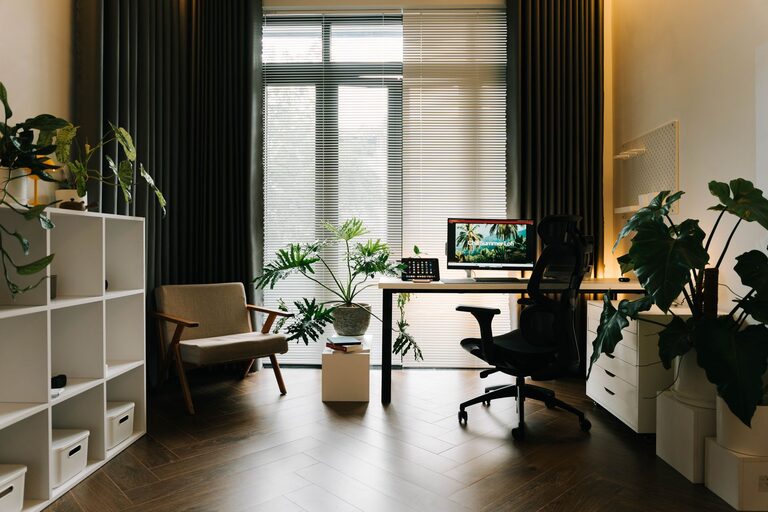
A home office with plenty of natural light can boost mood and energy levels. Try to position your desk near a window, but avoid glare on screens by using sheer curtains or blinds. Good ventilation is equally important; fresh air keeps your workspace feeling inviting and helps maintain alertness.
Minimize Noise Distractions
If possible, select a quiet area of your home for your office. If external noise is unavoidable, consider noise-cancelling headphones, soft background music, or white noise machines to block out distractions.
Prioritize Comfort and Ergonomics
Invest in a Quality Chair and Desk
Your chair and desk are central to your comfort. Look for an adjustable chair with good lumbar support to prevent back pain. The desk should be at a height where your arms rest comfortably when typing, with enough space to organize your essentials.
Use Ergonomic Accessories
Consider ergonomic keyboard and mouse options to reduce strain on your wrists and hands. A monitor stand or laptop riser helps position your screen at eye level, promoting better posture.
Declutter and Organize
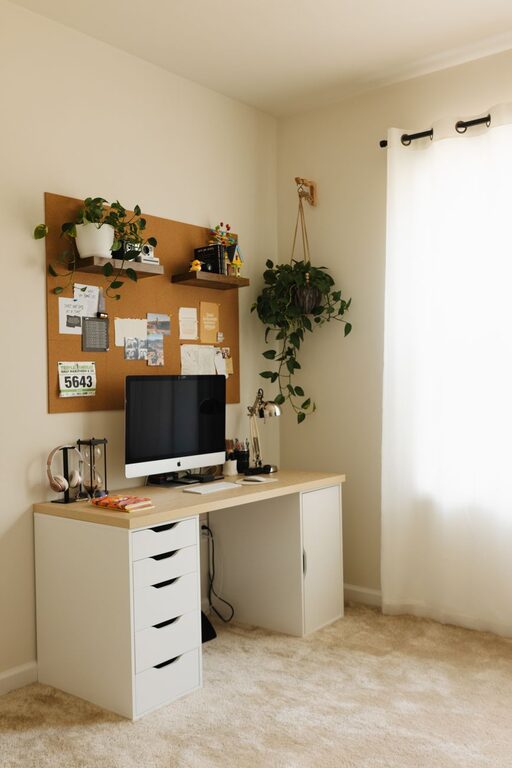
A tidy workspace reduces stress and improves focus. Use storage solutions like shelves, drawers, and organizers to keep paperwork, office supplies, and personal items neatly arranged. Regularly clearing out unnecessary items prevents clutter buildup.
Add Elements of Nature
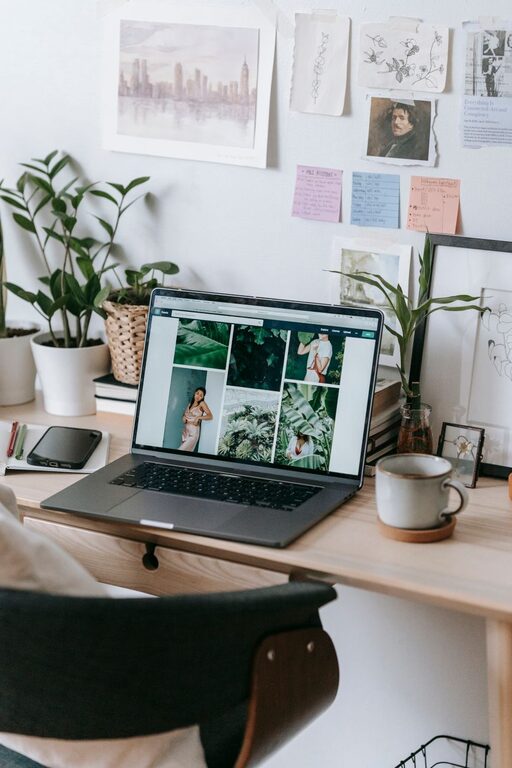
Integrating natural elements in your office can create a soothing atmosphere. Houseplants not only brighten the space but also improve air quality. Choose low-maintenance plants like succulents, pothos, or snake plants if you don’t have a green thumb.
Choose Calming Colors and Decor
Soft, neutral colors such as light blues, greens, and beige tend to have a calming effect. Decorate with items that inspire you, such as artwork, photos, or meaningful objects, but avoid overcrowding the space. A minimalist approach can help maintain a serene environment.
Manage Lighting Wisely
Good lighting reduces eye strain and creates a warm ambiance. Along with natural light, invest in adjustable desk lamps that provide bright, focused light for tasks. Dimmer switches or warm bulbs can make the space feel more inviting at the end of the day.
Incorporate Relaxation Breaks
Design your home office to include a small area where you can take short breaks. A comfortable chair, a cushion, or a yoga mat encourages you to step away from your desk, stretch, and relax. Taking regular breaks improves mental clarity and reduces burnout.
Personalize Your Space
Make your office feel like your own by adding personal touches. Whether it’s inspiring quotes, a favorite mug, or photos of loved ones, these items can boost morale. Just keep personal items in moderation to maintain focus.
Use Technology to Your Advantage
Organize your digital workspace by using apps that help manage tasks, calendars, and reminders. Limiting notifications during work hours can decrease distractions. Additionally, maintaining good internet connectivity supports seamless communication and workflow.
Maintain a Routine and Boundaries
A relaxing home office benefits from clear work boundaries. Set specific work hours, and create rituals to signal the start and end of your workday, such as shutting down your computer or tidying your desk. This helps separate work time from personal time and reduces stress.
—
By thoughtfully designing your home office with comfort, organization, and tranquility in mind, you can create a space that supports your well-being and productivity. With these practical tips, your home workspace will be more than just a spot to work—it will be a place you enjoy spending time in every day.