
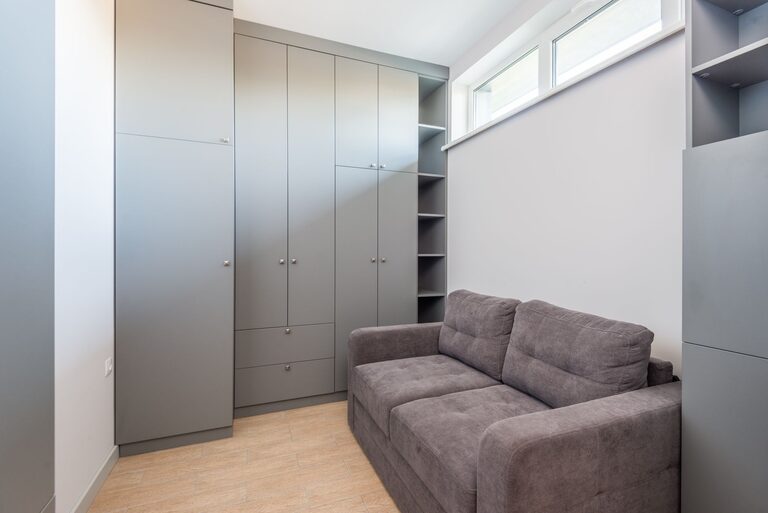
Living in a small space can be a challenge when it comes to staying organized and comfortable. However, with the right approach, you can transform even the tiniest apartment or room into a tidy, functional, and inviting home. This guide offers practical tips to help you organize your small living space efficiently, making every square foot count.
Why Organizing a Small Space Matters
When space is limited, clutter quickly becomes overwhelming. Efficient organization not only creates a visually pleasing environment but also helps reduce stress, improve daily routines, and maximize storage. By adopting smart strategies, you can maintain order without sacrificing style or comfort.
1. Declutter Regularly
Before adding storage solutions or rearranging furniture, start by decluttering. This means going through your belongings and deciding what to keep, donate, or discard.
Tips for effective decluttering:
– Use the “one-year rule” — if you haven’t used it in the past year, consider letting it go.
– Sort items into categories: keep, donate, recycle, and trash.
– Be honest about what you really need and use.
Decluttering creates mental space and makes organizing easier.
2. Use Multi-Functional Furniture
In a small living area, furniture that serves multiple purposes saves space and adds convenience.
Examples of multi-functional furniture:
– Beds with built-in storage drawers underneath.
– Fold-out sofas or murphy beds that convert between seating and sleeping areas.
– Coffee tables with hidden storage compartments.
– Ottomans that open to store blankets or magazines.
Choosing the right pieces can significantly increase your available storage without cluttering your space.
3. Maximize Vertical Space
When floor space is limited, look up. Vertical storage offers valuable real estate to keep your belongings organized.
How to make the most of vertical space:
– Install wall-mounted shelves or floating shelves to hold books, plants, or decorative items.
– Use pegboards in the kitchen or workspace to hang utensils, tools, or office supplies.
– Add tall bookshelves or cabinets to store items without taking up much floor area.
– Hang hooks on walls or behind doors for coats, bags, or scarves.
Vertical storage helps keep things off the floor and within easy reach.
4. Organize with Baskets and Containers
Keeping small items grouped and contained reduces visual clutter and simplifies cleaning.
Suggestions for organizing with baskets and containers:
– Use labeled bins or baskets to sort items like toys, electronics, or craft supplies.
– Clear containers help you see what’s inside quickly.
– Stackable boxes can optimize cabinet and closet space.
Using containers of varying sizes ensures everything has a designated place.
5. Optimize Closets and Cabinets
Closets in small spaces can quickly become overcrowded if not organized well.
Closet organization tips:
– Use slim, uniform hangers to save space.
– Add hanging organizers or shelf dividers.
– Implement double rods to increase hanging capacity.
– Use the back of the closet door for additional storage with hooks or racks.
Inside cabinets, consider pull-out shelves or lazy susans to maximize accessibility.
6. Create Zones for Different Activities
Defining areas for specific purposes helps keep your space organized and functional.
How to create zones:
– Set up a dedicated workspace with a small desk and organizer.
– Establish a reading nook with a comfortable chair and good lighting.
– Designate an entryway area for shoes and keys using a small shelf or basket.
– Keep kitchen essentials grouped together with drawer dividers or trays.
Clear zones help maintain order and make it easier to find what you need.
7. Keep Flat Surfaces Clear
Countertops, tables, and desks can easily become cluttered. Regularly clearing these surfaces improves both appearance and functionality.
Tips for maintaining clear surfaces:
– Limit the number of items on display.
– Store everyday essentials in accessible drawers or containers.
– Develop a habit of tidying up at the end of each day.
– Use trays or trays to corral small items like remotes or mail.
A clean surface instantly makes your space feel larger and more inviting.
8. Utilize Underutilized Spaces
Look for areas often overlooked that can serve as extra storage.
Ideas for underutilized space:
– Space under the bed for rolling storage bins.
– Top shelves for seasonal items or less-used belongings.
– Space above door frames for narrow shelves.
– Corners with corner shelves or corner desks.
Thinking creatively helps you capture every inch of available space.
9. Maintain a Regular Cleaning and Organization Routine
The key to keeping a small living space organized long term is consistent upkeep.
Establish a routine by:
– Spending 10–15 minutes daily tidying common areas.
– Scheduling weekly organized tasks like laundry, vacuuming, or fridge clean-outs.
– Revisiting storage solutions periodically to adjust if needed.
– Limiting new items that enter your space to avoid crowding.
Regular maintenance prevents small clutter from growing into large problems.
—
Organizing a small living space efficiently isn’t about squeezing in as much as possible; it’s about thoughtful choices and strategies that support your lifestyle. By decluttering, maximizing storage, and creating clear zones, you create a home that’s both practical and enjoyable. Remember, a well-organized small space can feel spacious, calm, and welcoming no matter its size.