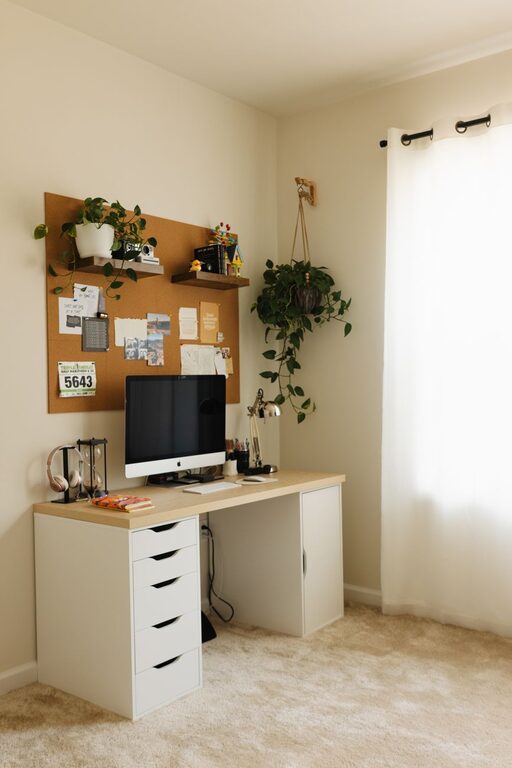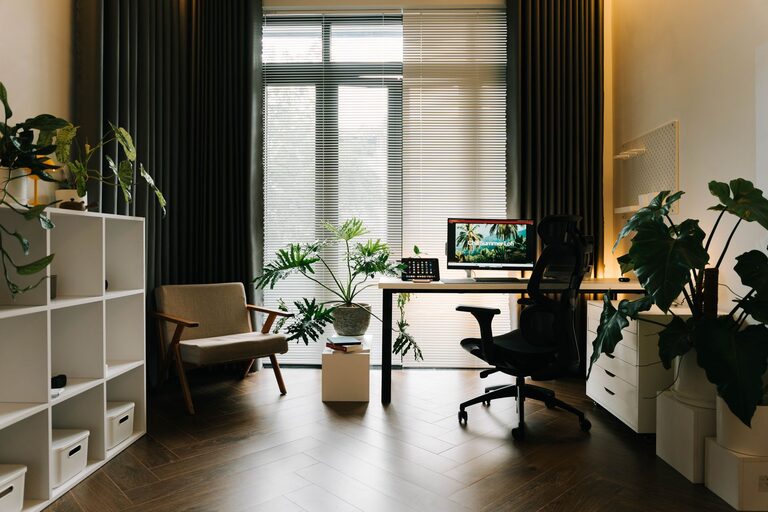
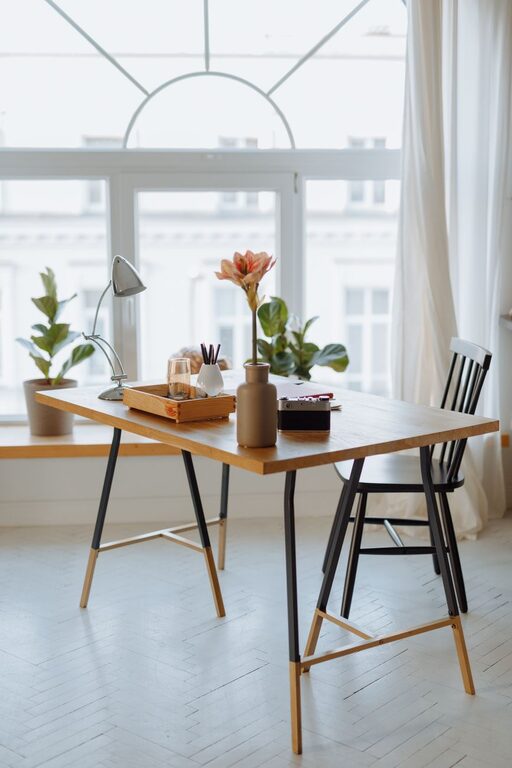
Creating a relaxing home office environment is essential for anyone working remotely or spending significant hours at their desk. When your workspace feels calm and inviting, it’s easier to focus, stay motivated, and maintain a healthy work-life balance. In this post, we’ll explore simple yet effective tips to transform your home office into a stress-free zone that inspires productivity.
1. Choose the Right Location
Selecting the right spot for your home office sets the foundation for a relaxing workspace.
– Natural Light: Aim for a space with plenty of natural light, as sunlight improves mood and reduces eye strain.
– Quiet Area: Find a part of your home that’s away from noise and distractions.
– Privacy: Ideally, pick a room or corner where you won’t be interrupted during work hours.
2. Invest in Comfortable Furniture
Comfort is key to creating a relaxing office environment that supports your health.
– Ergonomic Chair: Use a chair that supports your back and promotes good posture.
– Proper Desk Height: Make sure your desk height allows your arms to rest comfortably at a 90-degree angle.
– Footrest: Consider a footrest to reduce pressure on your legs if necessary.
3. Declutter and Organize
A tidy workspace helps reduce stress and improves focus.
– Minimalist Approach: Keep only what you need on your desk. Limit clutter by storing supplies in drawers or boxes.
– Cable Management: Use clips or cable organizers to keep cords out of sight.
– Daily Clean-Up: Spend a few minutes at the end of each workday organizing your space.
4. Add Calming Colors and Decorations
Colors and decor play a big role in how you feel in your office.
– Soothing Colors: Choose calming shades such as soft blues, greens, or neutrals for walls and accessories.
– Personal Touches: Display a few meaningful items like photos or art to create a welcoming atmosphere.
– Avoid Overcrowding: Keep decorations simple to avoid visual overwhelm.
5. Incorporate Plants
Bringing nature into your office can reduce stress and boost creativity.
– Low-Maintenance Plants: Choose easy-care plants like succulents, snake plants, or pothos.
– Placement: Position plants near your desk or on shelves where they catch light but don’t clutter your workspace.
– Benefits: Plants improve air quality and add a refreshing touch of greenery.
6. Control Lighting
Good lighting is vital for creating a relaxing and productive environment.
– Task Lighting: Use adjustable desk lamps for focused lighting when working.
– Avoid Glare: Position your monitor to reduce glare from windows or lights.
– Soft, Warm Bulbs: Choose bulbs that emit warm light instead of harsh fluorescent lighting.
7. Manage Noise Levels
Sound can either help or hinder your work, so finding the right balance is important.
– Background Noise: Consider soft background music or white noise apps if silence feels too distracting.
– Noise-Cancelling Headphones: Use headphones to block out interruptions or household noise.
– Soundproofing: Add rugs, curtains, or acoustic panels to reduce echoes.
8. Maintain Air Quality and Temperature
A fresh and comfortable atmosphere keeps you alert and relaxed.
– Ventilation: Open windows regularly or use an air purifier to keep air fresh.
– Temperature: Keep the room at a comfortable temperature—ideally between 68°F and 72°F.
– Humidifier: Use a humidifier if your space tends to be dry, especially in winter.
9. Establish Routine and Boundaries
A relaxing environment also comes from how you manage your time and space.
– Regular Breaks: Step away from your desk periodically to stretch or relax your mind.
– Defined Hours: Set clear work hours to prevent overworking and maintain balance.
– Separate Workspace: Keep your workspace distinct from living areas to mentally separate work from rest.
10. Personal Wellness Extras
Incorporate elements that boost your wellbeing throughout the day.
– Aromatherapy: Use a diffuser with calming scents like lavender or eucalyptus.
– Movement Tools: Keep a yoga mat or resistance bands handy for quick stretches or exercises.
– Water and Snacks: Stay hydrated and have healthy snacks nearby to maintain energy.
—
By thoughtfully combining these elements, you can create a home office environment that feels relaxing and supports your productivity. Remember, the best workspace is one tailored to your unique needs and preferences. Take the time to design a space you look forward to working in every day!